Vibroacoustic Therapy for Autism: A Gentle Approach to Sensory Support
Autism Spectrum Disorder (ASD) affects how individuals communicate, process sensory information, and interact with the world around them. While traditional therapies such as speech therapy, occupational therapy, and behavioral interventions remain essential, many families and practitioners are exploring complementary approaches that support emotional regulation and sensory integration. One emerging option is Vibroacoustic Therapy (VAT).
Vibroacoustic Therapy combines low-frequency sound vibrations with music and therapeutic support to promote relaxation, sensory regulation, and emotional well-being. Although research is still developing, early findings and anecdotal reports suggest that VAT may offer meaningful benefits for some autistic individuals, particularly those with sensory processing challenges, anxiety, or difficulty with self-regulation.
What Is Vibroacoustic Therapy?
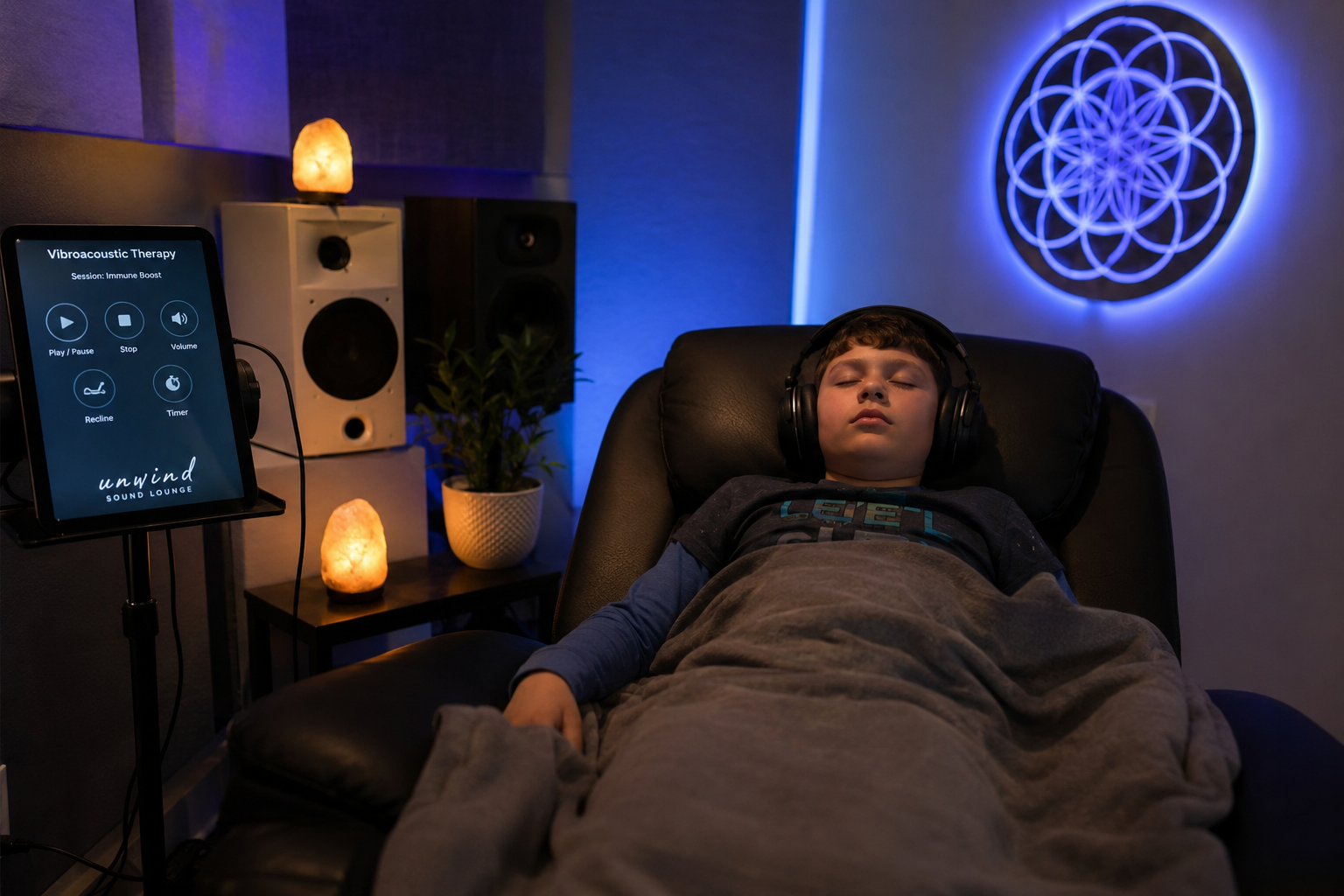
Vibroacoustic Therapy is a therapeutic method that uses specially designed equipment — such as chairs, mats, beds, or cushions — to transmit low-frequency sound vibrations directly through the body. These vibrations are typically paired with calming music or nature sounds.
The therapy works on the principle that sound frequencies can influence the nervous system, muscles, and emotional state. During a session, individuals may lie down or sit comfortably while vibrations travel through the body at controlled frequencies.
Unlike loud or overstimulating sound therapies, VAT is designed to be soothing and predictable, which can be especially important for autistic individuals who experience sensory sensitivity.
Organizations like Unwind Sound Lounge are helping introduce modern vibroacoustic wellness experiences through multi-sensory sound therapy environments designed to encourage nervous system regulation and deep relaxation.
Why Sensory Regulation Matters in Autism
Many autistic individuals experience sensory processing differences. Sounds, textures, lights, or physical sensations may feel overwhelming or difficult to interpret. Others may seek additional sensory input to feel calm or focused.
These sensory differences can impact:
Emotional regulation
Sleep quality
Attention and concentration
Anxiety levels
Social engagement
Daily functioning
Because vibroacoustic therapy delivers rhythmic, consistent sensory input, it may help regulate the nervous system and create a sense of calm and body awareness.
Potential Benefits of Vibroacoustic Therapy for Autism
Although experiences vary from person to person, practitioners and families have reported several possible benefits of VAT for autistic individuals.
1. Reduced Anxiety and Stress
The calming vibrations and soothing music may help reduce feelings of anxiety and overstimulation. Many users describe sessions as deeply relaxing, similar to meditation or massage therapy.
For autistic children and adults who experience chronic stress or sensory overload, this relaxation response can be valuable.
2. Improved Sensory Integration
Rhythmic vibration provides structured sensory input that may help individuals better process bodily sensations and environmental stimuli. This can support sensory integration and increase comfort in everyday situations.
3. Enhanced Emotional Regulation
Some individuals become more emotionally balanced after sessions, showing fewer meltdowns or emotional outbursts. The predictable sensory experience may help regulate the autonomic nervous system.
4. Better Sleep
Sleep difficulties are common in autism. Because vibroacoustic therapy promotes relaxation, some families report improvements in falling asleep and staying asleep after regular sessions.
5. Increased Body Awareness
The physical vibrations can improve proprioceptive awareness — the sense of where the body is in space. This may help individuals feel more grounded and connected to their bodies.
6. Support for Communication and Engagement
When stress and sensory overload decrease, some individuals may become more open to interaction, learning, or therapeutic participation.
What Does a Typical Session Look Like?
A vibroacoustic therapy session is usually calm and non-invasive. Sessions may last between 20 and 60 minutes depending on the individual’s age, comfort level, and therapeutic goals.
A typical session may include:
A comfortable therapeutic chair, mat, or bed
Low-frequency vibrations delivered through speakers or transducers
Calming music or guided relaxation
A quiet, low-stimulation environment
Supervision by a trained therapist or caregiver
For autistic children, sessions are often adapted to suit sensory preferences and tolerance levels. Some may enjoy gentle vibrations immediately, while others may need gradual introduction.
At Unwind Sound Lounge, the therapy experience is described as a “multi-sensory meditation sanctuary” using medical-grade vibroacoustic technology designed to help the nervous system downshift into a calmer state.
Is Vibroacoustic Therapy Evidence-Based?
Research into vibroacoustic therapy for autism is still relatively limited, but interest is growing. Existing studies on VAT and related sound-based interventions suggest possible improvements in relaxation, behavior, sensory processing, and emotional regulation.
However, researchers emphasize that:
More large-scale clinical studies are needed
Responses can vary widely between individuals
VAT should complement — not replace — established therapies
As with many supportive therapies in autism care, personalization is essential. What works well for one individual may not work for another.
Safety and Considerations
Vibroacoustic therapy is generally considered low-risk when conducted properly. However, there are important considerations:
Individuals with sound sensitivity may need gradual exposure
Sessions should be supervised by trained professionals when possible
Frequency and volume levels should be carefully controlled
Medical conditions such as epilepsy or severe sensory aversion may require professional consultation first
Parents and caregivers should always discuss new therapies with healthcare providers or therapists familiar with the individual’s needs.
Integrating VAT Into a Holistic Autism Support Plan
Vibroacoustic therapy works best as part of a broader, individualized support strategy. It may complement:
Occupational therapy
Sensory integration therapy
Speech therapy
Behavioral interventions
Mindfulness practices
Relaxation and sleep routines
The goal is not to “fix” autism, but to support comfort, emotional well-being, and quality of life.
Final Thoughts
Vibroacoustic Therapy represents an innovative and compassionate approach to sensory and emotional support for autistic individuals. By combining therapeutic sound vibrations with calming auditory experiences, VAT may help reduce stress, improve sensory regulation, and encourage relaxation.
While scientific research continues to evolve, many families and practitioners see promise in its gentle, non-invasive nature. As awareness grows, vibroacoustic therapy may become an increasingly valuable tool within holistic autism support programs.
Ultimately, the most effective autism therapies are those that respect individuality, sensory needs, and personal comfort — and vibroacoustic therapy aims to do exactly that. Book a session today.