What is Vibroacoustic Sound Healing?
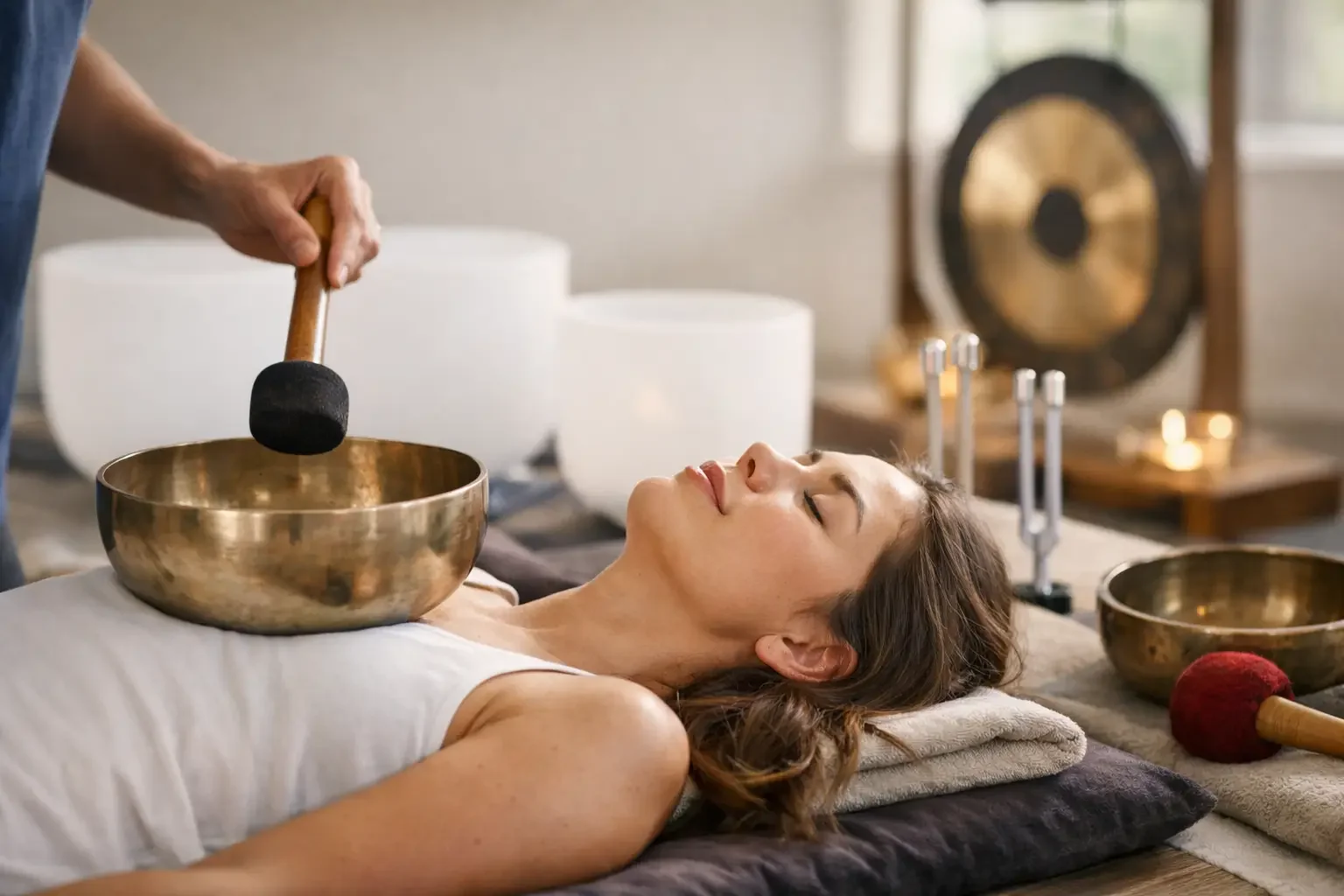
Stress does not always arrive dramatically. Sometimes it looks like restless sleep, tight shoulders during an ordinary workday, a nervous system that never fully powers down, or the strange exhaustion of feeling both tired and overstimulated at once. Vibroacoustic sound healing speaks directly to that state by working through the body as much as the mind. Instead of asking you to force relaxation or “clear your thoughts,” it uses sound frequencies and therapeutic vibration to help the nervous system settle more naturally.
What vibroacoustic sound healing actually is
Vibroacoustic sound healing combines immersive audio with low-frequency vibration delivered through the body. In a thoughtfully designed session, the sound is not only something you hear through headphones or speakers. It is transmitted through a specialized surface such as a sound bed, meditation pod, zero-gravity lounge, or therapeutic table, allowing you to physically feel the frequencies moving through you.
That physical component changes the experience. Listening to calming music can be relaxing, but feeling rhythmic vibration throughout the body creates a deeper layer of sensory support. Many people describe it as grounding, cocooning, or subtly reorganizing - almost like the body is finally receiving permission to soften.
The experience itself is intentionally passive. You do not have to “do” anything correctly. You settle in, allow the environment to support you, and let the sound and vibration guide the nervous system toward a more restorative state.
Why the body responds so strongly to sound and vibration
The nervous system is constantly interpreting sensory information. Light, sound, temperature, pace, touch, and rhythm all influence whether the body feels safe or stays subtly braced.
Low-frequency vibration is especially effective because it can be felt physically, not just heard mentally. That matters for people whose stress lives in the body as much as in thought patterns. Instead of trying to think your way into calm, vibroacoustic sound healing gives the nervous system direct sensory cues that encourage slowing down.
This is part of why the experience can feel surprisingly immediate. Breathing often deepens naturally. Muscle tension begins to soften. The internal “buzz” of overstimulation quiets. The body responds to rhythm quickly, even when the mind is still catching up.
That does not mean every session feels dramatic or identical for everyone. Some people experience a profound exhale right away. Others notice subtler shifts later - better sleep, clearer thinking, less reactivity, or a calmer baseline the following day.
Vibroacoustic sound healing and nervous system restoration
One of the main reasons people seek vibroacoustic sound healing is because chronic stress changes how the body operates. Over time, the nervous system can become stuck in patterns of vigilance and overactivation. Sleep gets lighter. Focus fragments. Emotions feel sharper or flatter. Even moments of rest stop feeling fully restorative.
Sound and vibration-based sessions help interrupt that cycle by creating conditions that support regulation rather than stimulation. Many people leave feeling heavier in a comforting way - more grounded, more present, and less internally clenched.
There is nuance here. Vibroacoustic sound healing is not a replacement for therapy, medical care, or mental health treatment when deeper support is needed. But it can become a powerful complement to those practices, especially for people whose stress is highly physical or sensory in nature.
It works particularly well alongside broader recovery habits like movement, hydration, sleep support, therapy, and healthier boundaries around overstimulation.
What a premium session can feel like
The environment matters more than most people expect. Even effective technology can feel limited if the body still senses noise, urgency, or distraction around it.
In a premium wellness setting, vibroacoustic sound healing becomes a full sensory experience. You might recline in a zero-gravity sound lounge or private meditation pod while carefully calibrated low frequencies move through the body. The room is dim and quiet. Additional elements like near infrared light therapy, botanical aromatherapy, weighted grounding blankets, blackout eye masks, and noise-canceling headphones work together to reduce sensory friction.
Instead of trying to relax, you are placed inside an environment designed to make relaxation feel easier.
That is one reason the modality resonates with busy professionals, founders, creatives, and high-performing adults. It does not require expertise or effort. You do not need meditation experience or perfect focus. The session meets your nervous system exactly where it is and gently guides it somewhere calmer.
The benefits people often notice
The most common effects people report include:
Reduced stress and nervous system tension
Deeper physical relaxation
Better sleep quality
Improved emotional steadiness
Clearer thinking and mental focus
Reduced muscle guarding and bodily tightness
A stronger sense of grounding and calm
Sometimes the change is noticeable during the session itself. Other times it becomes clear afterward, when sleep comes more easily, reactions soften, or the body no longer feels locked in high alert.
For people carrying chronic tension, the vibration element often creates a distinctly body-led kind of relief. It can feel less invasive than massage and less mentally demanding than meditation, which makes it especially appealing for people who are already overstimulated or depleted.
Who vibroacoustic sound healing is especially good for
This kind of therapy tends to resonate most with people who want restoration without pressure or performance. That includes:
Busy professionals and entrepreneurs
Creatives experiencing sensory overload
People who feel “wired but tired”
Those struggling to unwind at night
Anyone who finds silent meditation difficult
Wellness-minded clients seeking a more immersive recovery experience
It is particularly helpful for people who say things like, “I know I need to relax, but I cannot switch my brain off.” Because the experience works through sensation first, it offers another route into calm that does not depend on mental discipline.
At spaces like Unwind Sound Lounge, that philosophy is built directly into the session design. The technology, atmosphere, and sensory layers are all curated to help the body release effort and shift into a more restorative rhythm.
What to expect afterward
Most people leave feeling softer, quieter, and more connected to their body. Some feel deeply sleepy afterward. Others feel unusually clear and emotionally lighter, as though background tension has been turned down.
Hydrating, avoiding immediate overstimulation, and giving yourself a little spaciousness after the session can help extend the effects.
If the experience brings you into deeper rest than your body is used to, temporary fatigue afterward can happen too. Sometimes that reflects how much tension the nervous system has been carrying.
Over time, consistent sessions can help the body recognize relaxation more quickly and recover from stress with less effort.
Why vibroacoustic sound healing keeps resonating with people
The deeper appeal of vibroacoustic sound healing is simple: it offers restoration without demanding more output from an already overwhelmed system.
Many people are exhausted by wellness routines that feel performative, complicated, or cognitively demanding. This modality takes a different approach. It creates an environment where the body can stop striving long enough to remember what regulation feels like.
And sometimes that is exactly what healing begins with - not doing more, but finally giving your nervous system enough support to let go. Book a session today.